Exhibition Opening
Opening of the exhibition
“material girls V”
Sunday, September 6, 2026 at 11:30
Speaker: Dr. Katja Pourshirazi,
director of the Overbeck-Museum.
The artists are present.
Guided Tours
Talk with the Artists
with Ulrike Brockmann
and Christine Huizenga
Sunday, October 18 at 11.30 a.m.
with Claudia Christoffel
and Sabine Schellhorn
Sunday, November 1 at 11.30 a.m.
with Edeltraut Rath, Ute Seifert
and Elfin Açar
Sunday, November 15 at 11.30 a.m.
Events
Lecture
KONKRET GLOBAL! Parallels and (A)Synchronies of the idea “Konkret”
with Luisa Heese, Director of Kunsthalle Mannheim”
Sunday, September 20 at 11.30 a.m.
15 Euro
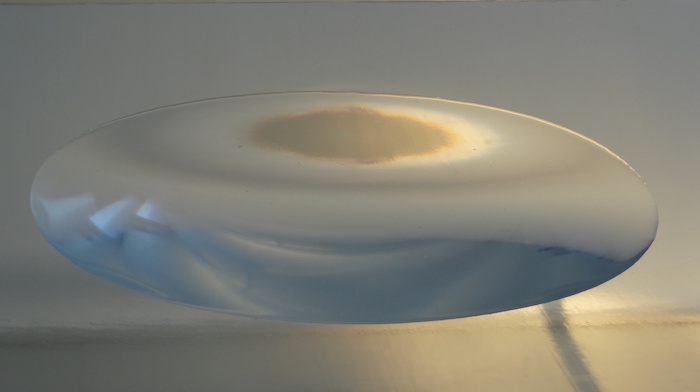
A work of art derives its meaning and beauty primarily from a creative idea. But there is always another, purely material dimension. Every work of art consists of material with its own unique characteristics, texture, and density.
The artist group “material girls” explores the aesthetic richness of materials in art, both collectively and individually. Their works reveal the appeal of the physical, which extends far into the realm of philosophy.
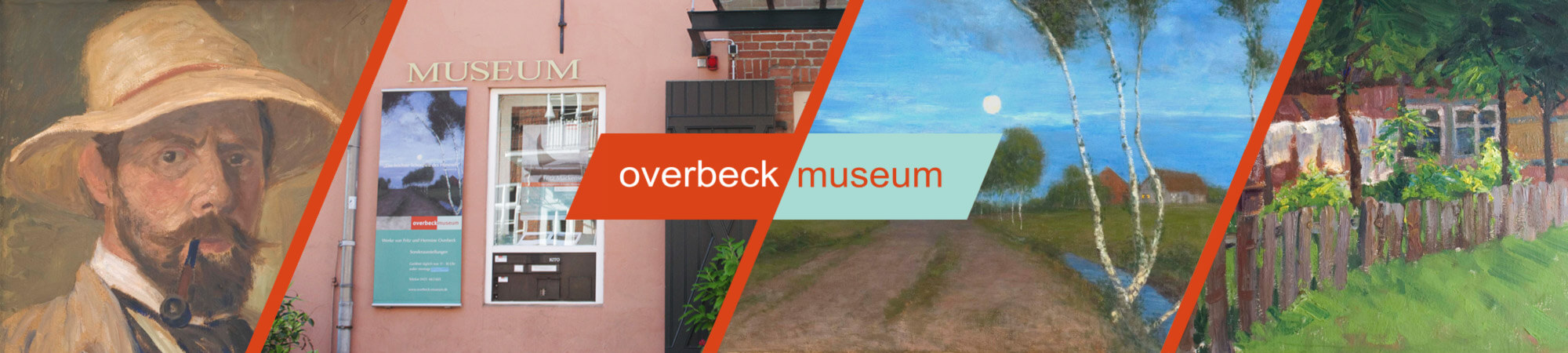
At the Overbeck Museum, Ulrike Brockmann, Claudia Christoffel, Christine Huizenga, Edeltraut Rath, Sabine Schellhorn, Ute Seifert, and Elfin Açar present works that directly reference themes and motifs from the paintings of Fritz and Hermine Overbeck. The direct juxtaposition creates a stimulating dialogue between classic Worpswede painting and contemporary art.
The Overbeck Museum is sponsored by: